The Art of Glass Packaging: Enhancing Your Brand With Premium Glass Bottles
The craft of glass packaging offers brands a distinctive pathway to stand out. By embracing sustainable methods, glass bottles elevate brand aesthetics and connect with sustainability-minded shoppers. Their intrinsic properties, including recyclability and chemical safety, reflect a dedication to quality standards. As brands navigate this evolving landscape, understanding the multifaceted benefits and challenges of glass packaging becomes essential for long-term success. What innovative strategies are brands employing to maximize these advantages?
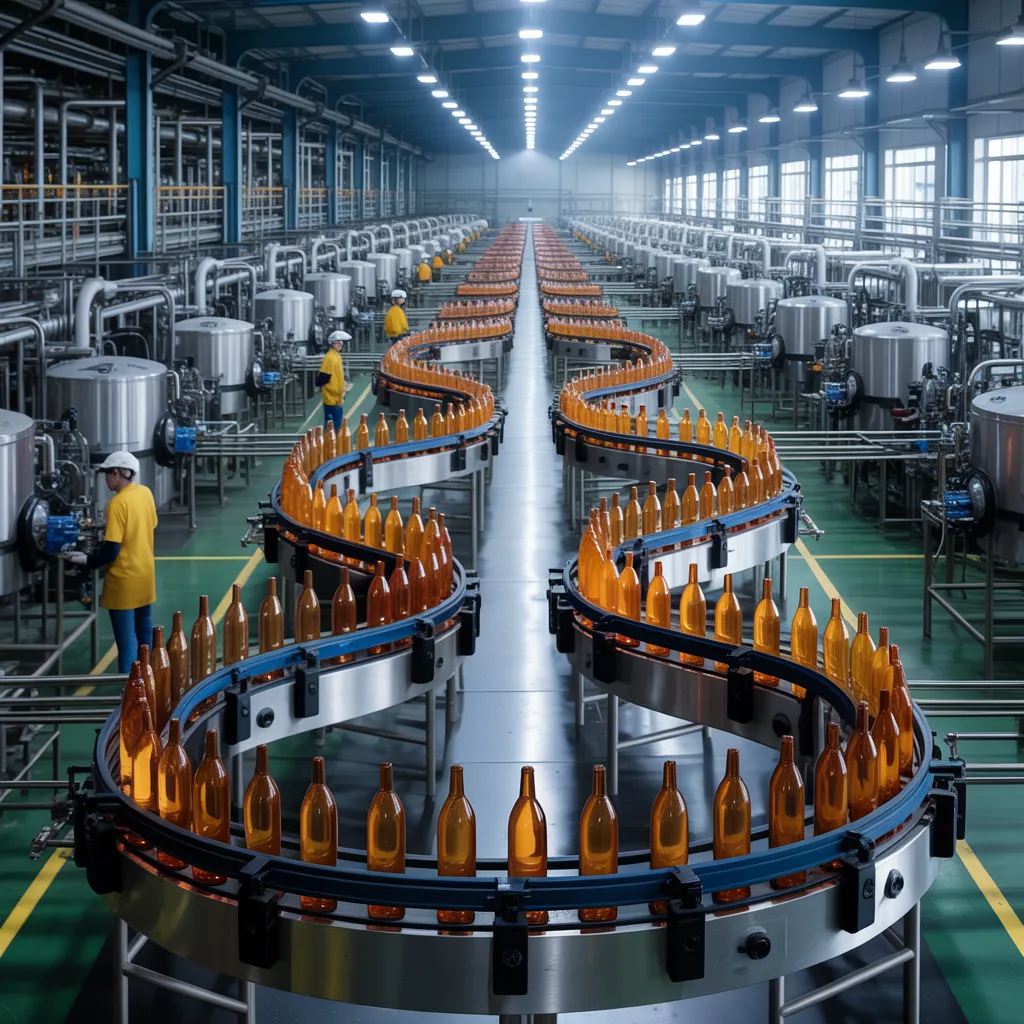
The Benefits of Choosing Glass Packaging for Your Brand
Opting for glass packaging can considerably elevate a brand's reputation and sustainability efforts. Companies that choose glass packaging demonstrate a pledge to superior standards and premium experiences, appealing to discerning consumers who value both visual and practical qualities. Glass offers a enduring and sophisticated look, contributing to a brand's visual identity while offering a tactile experience that no alternative material can equal.
In addition, glass packaging creates a sense of freshness and protection, as it is uncontaminated by toxic substances commonly present in plastic materials. This choice can attract sustainability-minded buyers who identify glass with sustainable behavior. Moreover, its robust construction supports reuse, thus solidifying a brand's pledge to environmental responsibility.
In a marketplace placing greater emphasis on environmental impact, choosing glass packaging can differentiate a brand fostering loyalty and enhancing consumer trust. At its core, this calculated move positions brands as leaders in sustainability and quality, aligning with the values of today's consumers.
The Eco-Friendly Advantages of Glass Bottles
Glass bottles present considerable environmental benefits that set them apart from other packaging materials. These containers are completely recyclable, promoting a circular economy where materials can be reused indefinitely without loss of quality. This quality considerably decreases the reliance on new materials, thereby minimizing natural resource extraction and energy usage linked to the production process.
Furthermore, glass packaging is chemically stable, meaning it does not leach dangerous compounds into its stored materials, ensuring healthier consumption. As opposed to plastic, glass does not contribute to microplastic pollution, which is a mounting environmental problem.
Glass bottle production also generates reduced greenhouse gas emissions compared to plastic alternatives. Thanks to innovations in manufacturing processes, energy efficiency has improved, further reducing the carbon footprint linked to glass production.
Innovative Designs That Enhance Glass Packaging
Unique aesthetics in glass packaging are revolutionizing how consumers view products. Original silhouettes and configurations not only improve usability but also attract consumer attention. Furthermore, striking color combinations further enhance the visual impact, making glass packaging rise above the competition on display.
Unique Shapes and Structures
Creative designs in glass-based packaging not only elevate the overall look but also fulfill an important purpose in setting brands apart. Unique shapes and structures can craft remarkable experiences for buyers, helping products distinguish themselves on busy retail displays. As an example, bottles with asymmetrical shapes or geometric patterns can generate fascination and stimulate consumer interest. These unconventional forms often correspond with a brand's core values, supporting its overarching mission and beliefs. Furthermore, distinct shapes can improve functionality, including better grip or improved dispensing. Brands that invest in creative glass designs signal commitment to quality and sustainability, engaging environmentally responsible shoppers. By championing innovation in their packaging strategies, brands can cultivate more meaningful relationships with consumers, in turn promoting long-term loyalty and broadening their market reach.
Eye-Catching Color Palettes
Rich color combinations serve a vital function in enhancing glass packaging, converting standard bottles into captivating visual expressions. By employing a strategic blend of hues, businesses can inspire sentiment and deliver unforgettable moments for buyers. Striking colors can indicate superior craftsmanship, while softer tones may convey delicacy and sophistication.
Additionally, the use of gradients and multi-toned designs creates depth and visual interest, capturing attention on busy shelves. Eco-conscious practices additionally boost the appeal; eco-friendly dyes and finishes resonate with conscious consumers. Ultimately, the ideal color palette not only embodies a brand's character but also strengthens its dedication to sustainability, making glass packaging a powerful tool for differentiation in a competitive market.
What Role Does Glass Packaging Play in Enhancing Product Perception?
Glass packaging significantly elevates product perception through its premium feel and appeal, evoking a feeling of luxury among consumers. The natural clarity and see-through quality of glass offer consumers an unrestricted look at the product, solidifying the product's quality appeal. Moreover, choosing glass complements sustainable brand positioning, attracting consumers who prioritize environmental responsibility.
Premium Feel And Appeal
Utilizing glass packaging greatly elevates the apparent worth of a product, often associating it with quality and sophistication. Customers often link glass with luxury, resulting in stronger brand dedication and rewarding buyer experiences. The physical feel of glass, with its refined surface and heft, contributes to a luxurious sensation that plastic is unable to match. This experiential connection creates a connection between the product and the consumer, fostering a perception of excellence. Additionally, glass packaging conveys a commitment to sustainability, appealing to eco-aware consumers. Therefore, businesses employing glass containers can present themselves as higher-end alternatives within their markets, drawing selective buyers who appreciate both style and sustainability in their purchasing decisions.
Visual Transparency And Clarity
When buyers discover products in glass vessels, their experience is commonly improved by the natural visual openness and clearness it offers. This clarity permits interested shoppers to observe the item inside, building a feeling of confidence and genuineness. The see-through nature of glass not only reveals the product's caliber but also accentuates its color and feel, boosting aesthetic attractiveness. Furthermore, the lack of label obstructions on transparent glass lets the product become the focal point, creating a more engaging shopping experience. Glass vessels can uplift brand standing by expressing a devotion to quality and skill. This see-through quality ultimately guides customer determinations, encouraging a deeper emotional connection with the product and the brand.
Sustainable Brand Positioning
Eco-conscious brands utilize glass containers to solidify their pledge to environmental responsibility, successfully elevating how products are perceived. Glass projects an image of quality and authenticity, setting a higher standard compared to plastic alternatives. This material not only emphasizes the ecological values of a brand but also resonates with shoppers who value eco-conscious decisions. The physical sensation of glass—its heft and feel—additionally enhances the perceived worth of the product. Moreover, the ability to recycle glass resonates with the rising consumer expectation for eco-friendly practices, fostering brand loyalty. By opting for glass, brands not only demonstrate their commitment to ecological responsibility but also establish their products as high-end choices, consequently developing a distinguished presence in a competitive industry.
Success Stories of Brands Using Glass Packaging
Numerous brands are flourishing by embracing glass packaging, demonstrating its appeal to consumers and commitment to sustainability. For instance, a leading beverage company transitioned to glass bottles, leading to a 30% boost in sales within a year. The change not only boosted product visibility on shelves but also appealed to eco-conscious consumers, strengthening the brand's sustainability message.
A different beauty label effectively transitioned to glass vessels, considerably boosting its upscale appeal. This change brought in a loyal customer base who appreciates both design quality and sustainable values. Moreover, an artisan brewery adopted reusable glass growlers, cultivating consumer trust and decreasing environmental impact. These real-world cases show that glass materials not only fulfill customer expectations for sustainable options but also strengthens brand value and industry presence. Such strategic choices underscore an expanding movement among companies seeking to integrate eco-friendly values into their processes while resonating with contemporary buyers.
How to Tackle Challenges in Glass Packaging
Steering through the difficulties of glass packaging requires forward-thinking solutions and a keen understanding of the market. Brands often face issues such as high production costs, heavy material considerations, and breakability. To overcome these, companies can invest in innovative fabrication processes that reduce waste and boost structural resilience. Collaborating with suppliers to procure environmentally responsible materials also reduces environmental impact while resonating with sustainability-minded consumers.
Another challenge involves transportation logistics, considering the substantial weight of glass. Adopting intelligent logistics strategies, such as refined shipping techniques and innovative packaging designs, can help minimize costs and guarantee product safety during transit. Moreover, raising consumer awareness regarding glass's superiority over plastic may cultivate customer loyalty and boost market demand. By embracing these strategies, businesses can overcome obstacles in glass packaging and distinguish themselves as innovators in eco-friendly practices, thereby strengthening their brand reputation and market standing.
Upcoming Trends in Sustainable Glass Packaging
As the explore now appetite for sustainable packaging solutions expands, the glass packaging industry is on the brink of significant transformation. Advancements in production methods are anticipated to improve energy performance, reducing the carbon footprint associated with glass production. Moreover, the adoption of lightweight glass bottles will emerge as a key trend, reducing shipping emissions while preserving product quality.
Recycling initiatives will become more robust, with increased collaboration between manufacturers and municipalities to enhance the collection and processing of glass. Moreover, the incorporation of intelligent technology within packaging will enable enhanced visibility across the supply chain, allowing businesses to demonstrate their green initiatives with greater effectiveness.
The rising consumer appetite for environmentally conscious products will continue to fuel the growth of customizable, aesthetically pleasing designs, blending practicality with aesthetic charm. As companies increasingly embrace sustainable practices, the glass packaging market is prepared to reshape its direction, addressing wider ecological objectives while satisfying the demands of environmentally aware consumers.
Commonly Asked Questions
What Are the Expenses Linked to Glass Packaging Versus Plastic?
Glass packaging generally incurs higher costs owing to production, transportation, and recycling processes when compared to plastic alternatives. That said, it provides environmental advantages and improved brand image, which can justify the investment for some businesses.
How Do I Customize Glass Bottles for My Brand?
Businesses have the ability to tailor glass containers with distinctive shapes, hues, and textures. Printed designs, engravings, and labels elevate brand identity. Working alongside vendors secures consistency with sustainability goals while maintaining aesthetic appeal and functionality.
Do Specific Regulations Exist for Glass Packaging?
Yes, specific regulations for glass packaging exist, distinct to each region. Such regulations encompass safety standards, labeling requirements, and recycling guidelines, ensuring consumer safety and environmental responsibility while promoting sustainable practices in packaging manufacturing and distribution.
What Are the Most Effective Best Practices for Recycling Glass Bottles?
To recycle glass bottles effectively, residents should clean them out to eliminate any residue, remove lids, and organize them according to color. In addition, they should review community recycling rules for designated drop-off sites to ensure correct handling and processing.
How Does Glass Packaging Affect Shipping and Logistics?
Glass packaging notably influences shipping and logistics by adding weight and fragility, requiring careful handling and specialized transport solutions. This may result in elevated costs and more intricate supply chain management when compared to lighter and more resilient materials.